$$PLAIN_TEXT_PREVIEW$$
Studio 1878
 

OFF MIC - A NEWSLETTER ABOUT PODCAST STRATEGY FOR CMOs


ED BARKER | 3.20.26

Audience-First Show Design: Building a Show Around What Your Listeners Actually Need

tl;dr

The best podcasts, whether brand, pro, or grassroots, start with what the audience needs to hear, not what the host wants to say. That has to be the case with brand podcasts. That distinction shapes everything: format, tone, episode structure, and even who hosts. When you design for the listener first, you earn attention. This edition of Off-Mic is about how to put audience at the centre of show design and why that approach leads to shows people actually come back to.


Start with who you're serving

The first question in show design isn't "what should we talk about?" It's "who is this for?"

That sounds obvious. In practice, it's often skipped. Teams jump straight to topics, formats, episode ideas. The audience gets defined loosely: "marketers" or "business leaders" or "people interested in our industry."

That's not specific enough to design around.

Audience-first show design begins with a clearer vision. But what does that actually entail? What role? What seniority? What kind of company? What problems occupy their thinking? What do they need that they're not currently getting?

When you get specific about who you're serving, everything else becomes clearer. The topics that matter to them. The format that fits their life. The tone that earns their trust. The guests they actually want to hear from.

The show becomes a response to real needs rather than a broadcast of things the brand wants to say.


The questions that shape the show

Before any creative work begins, these questions deserve serious attention.

Who exactly is this for? Not a demographic. A person. Someone you could describe in detail, whose problems you understand, whose attention you're trying to earn.

What do they need that they're not getting? Where are the gaps in what's already available? What's underserved? What questions aren't being answered well?

How do they consume content? Do they listen on commutes? Watch at their desk? Scroll clips on LinkedIn? Have 20 minutes or an hour? This shapes format more than most teams realise.

What would make them come back next week? Not once. Repeatedly. What's the promise that earns a habit?

When you answer these, you often end up somewhere different from where you started. The show that serves your audience might not be the show you originally imagined. That's a feature, not a bug.


What audience-first design produces

A show designed around audience needs is a valuable resource. It addresses problems listeners actually have. It brings in voices they want to hear. It uses language that matches how they think and talk.

This kind of show earns attention because it's useful. It's worth their time. It solves a problem or answers a question or makes them better at their job.

You can tell within the first two minutes of any show whether it was built for the audience or for the brand. The audience-first show pulls you in. It speaks your language. It understands your world.

That's the goal.


Format follows listener

Once you understand your audience, format decisions become clearer.

If your audience is time-poor senior leaders, they might need 20 minutes of structured insight rather than a 90-minute conversation.

If your audience is practitioners who want to learn, longer episodes with tactical depth might work well. They'll invest the time if the payoff is there.

If your audience consumes content on the move, audio-first makes sense. If they're more likely to watch at a desk, video-first with clips for social might be the better approach.

If your audience values access to people they wouldn't normally hear from, an interview format with strong guests earns attention. If they value a consistent perspective from a trusted voice, a solo format might work better.

There's no universally right format. There's only the format that fits your specific audience.

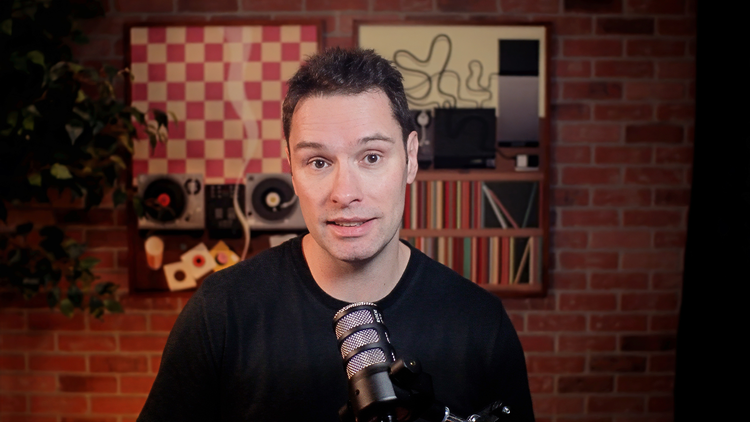
I made a 5-part video series on show design that goes deeper on this. The second episode covers format as a strategic choice, including the real operational cost of different formats and why constraints often make shows better. You can find it here.


Designing interviews around audience needs

Interview shows are popular because they offer flexibility. Different guests, different topics, and different perspectives each week.

The key is making sure that flexibility serves the audience, not just the production schedule.

Audience-first thinking reframes guest selection. Instead of "who would be interesting to talk to?" the question becomes "who does our audience need to hear from, and why?"

That filter changes everything. It moves you from guests who look impressive on paper to guests who have something specific to offer your audience. It gives every episode a clear reason to exist.

The same applies to the questions you ask. What does your audience need to learn from this guest? What would help them most? How do you elicit detailed, specific answers? Structure the conversation around that.


Finding the gap

One of the most useful exercises in audience-first design is mapping what already exists.

What shows are your audience already listening to? What topics are well-covered? Where is the landscape crowded? And where are the gaps?

Sometimes the gap is topical. A specific problem your audience faces that nobody's addressing.

Sometimes the gap is tonal. Everything in the space is either too basic or too academic, and there's room for something in between.

Sometimes the gap is format. Everyone does hour-long interviews. Nobody does tight 15-minute episodes.

Sometimes the gap is perspective. There are plenty of shows from consultants and analysts, but few from practitioners doing the work.

The gap is your opportunity. It's where you can offer something that doesn't already exist, rather than competing with established shows on their terms.


The red thread

A well-designed show has a throughline. Something that connects every episode. A central question, a consistent perspective, a recurring theme.

This isn't just a creative nicety. It's what makes an audience stick around.

When listeners understand what your show is about, not just the topic but the angle, they know what to expect. They can anticipate value before they press play. That's how you build and keep your audience.

The throughline comes from understanding your audience deeply enough to know what they consistently need, not just what might be interesting this week.

But before you commit to production, pressure test your show concept against your audience.

Can you describe the show in one sentence that would make your ideal listener want to subscribe? If you described it, would they immediately understand why it's for them? Can you sketch 20 episode ideas without running dry? Do those ideas connect through a whole series?

Importantly, would the show survive if you removed your company name from it? Is it strong enough to stand alone?

These are hard questions. They're meant to be. Better to wrestle with them in concept design than after you've recorded 10 episodes.


Ensure the brand earns its place

Audience-first doesn't mean the brand disappears. It means the brand earns its place by being useful.

When you make content that genuinely helps your audience, the brand benefits. You become associated with value. With expertise. With understanding their world.

That's more powerful than talking about your product or inserting your messaging. It's how trust gets built.

The brand is present in the show existing at all, in the perspective you bring, in the guests you choose, and in the quality of the production. The show itself is a demonstration.


Here's the design process

When designing a show, the early conversations should be almost entirely about the audience.

  • Who are they?

  • What do they care about?

  • What are they trying to do?

  • What's in their way?

  • Where do they spend time?

  • What are they already consuming?

  • What's missing?

Don't talk about format until that's really clear. Don't talk about episode ideas until there's a clear throughline. Don't talk about production until the concept is down. That sequence matters. It ensures the show is built on a foundation of real audience understanding, not assumptions.


A practical starting point

If you're early in the process of designing a show, start with conversations, not assumptions.

Talk to five people who fit your target audience. Not to pitch them on a podcast idea, but to understand their information landscape.

Where do they go when they need to learn something new in their field? What sources do they trust? What's missing?

What questions do they have that they can't find good answers to? Where do they feel underserved?

What format would actually fit their life? Do they have time for depth, or do they need quick answers? When and how do they consume content?

What would long-form audio or video give them that they're not getting from articles, newsletters, or conferences?

These conversations reveal whether there's a genuine gap for your show to fill and what shape that show should take. They're worth more than weeks of internal brainstorming.


What comes next

You understand why podcasting builds trust differently. You know how to think about measurement. You've assessed whether your brand is ready. You know what it actually costs. Now you know how to design around your audience.

Next week: Concept Creation for Category Leaders. How to develop a show concept that positions you as the obvious voice in your space. Moving beyond "we interview people" to something with a genuine point of view.


1878.STUDIO


Studio 1878, Seattle, Washington, USA

Powered by Squarespace

Unsubscribe